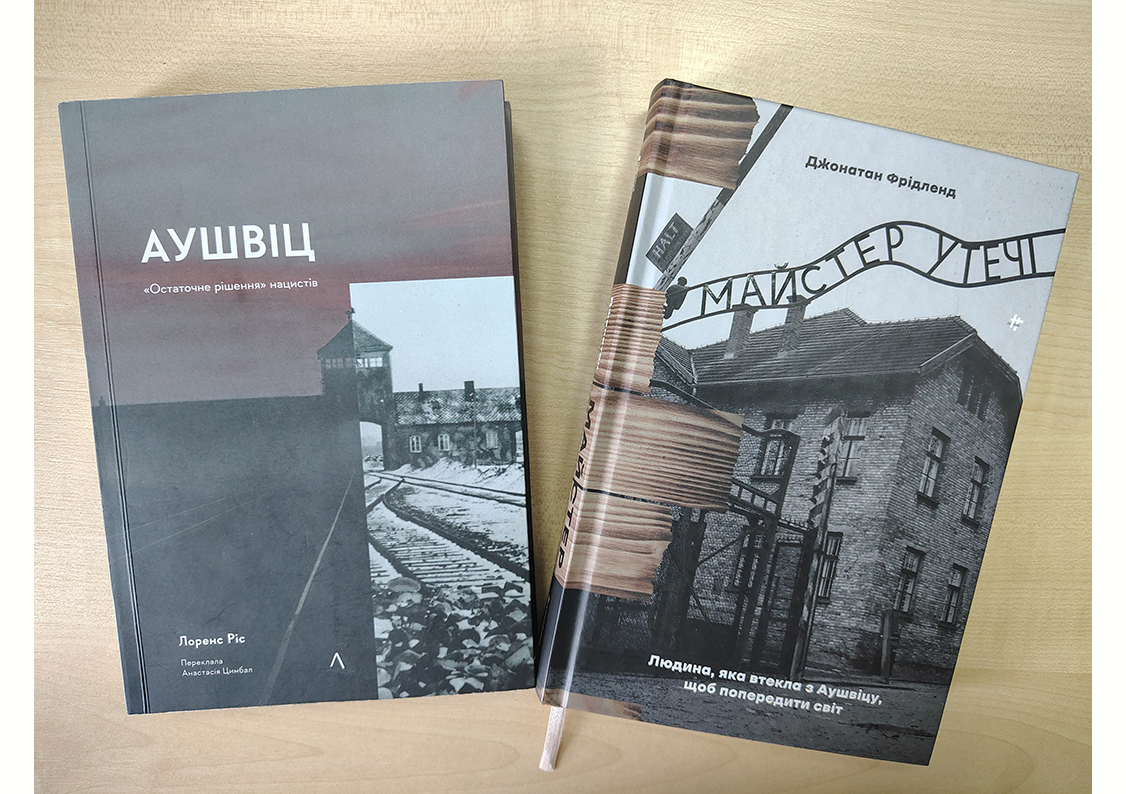
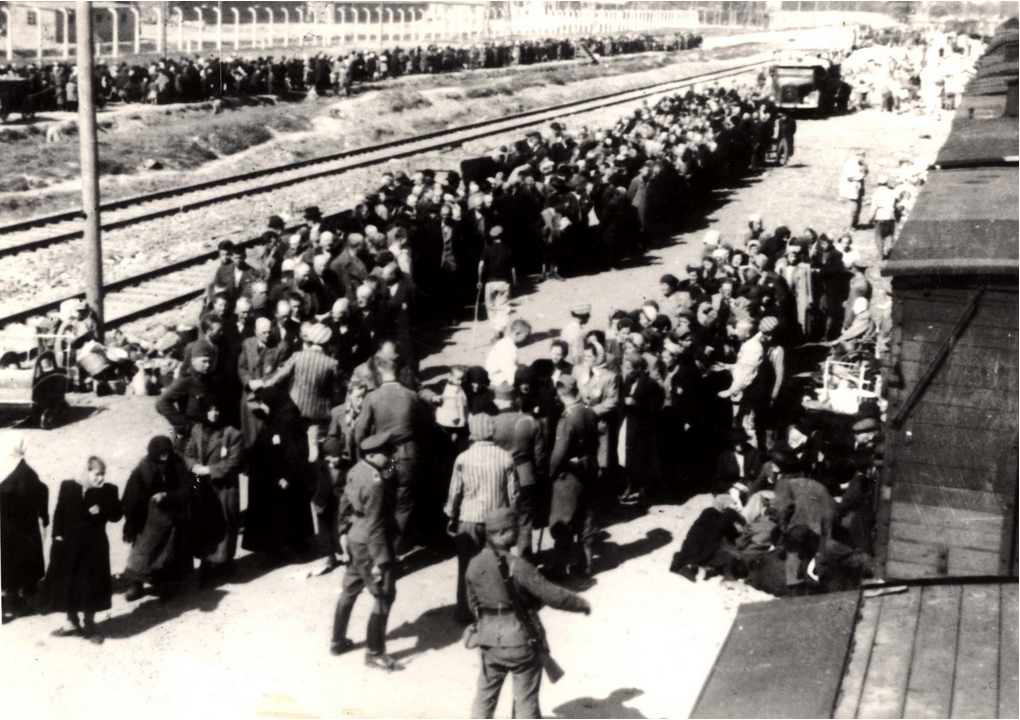
The library of the Museum “Jewish Memory and Holocaust in Ukraine” continues to replenish its holdings. And today, the focus of our attention is two books dedicated to the most terrible symbol of the Holocaust, which became the main weapon of the Nazis in implementing the "final solution of the Jewish question" - the Auschwitz concentration camp. These publications allow us to look at the tragedy of Auschwitz from opposite, but complementary perspectives: through the prism of systematic historical research and through a fascinating, dramatic chronicle of personal resistance.
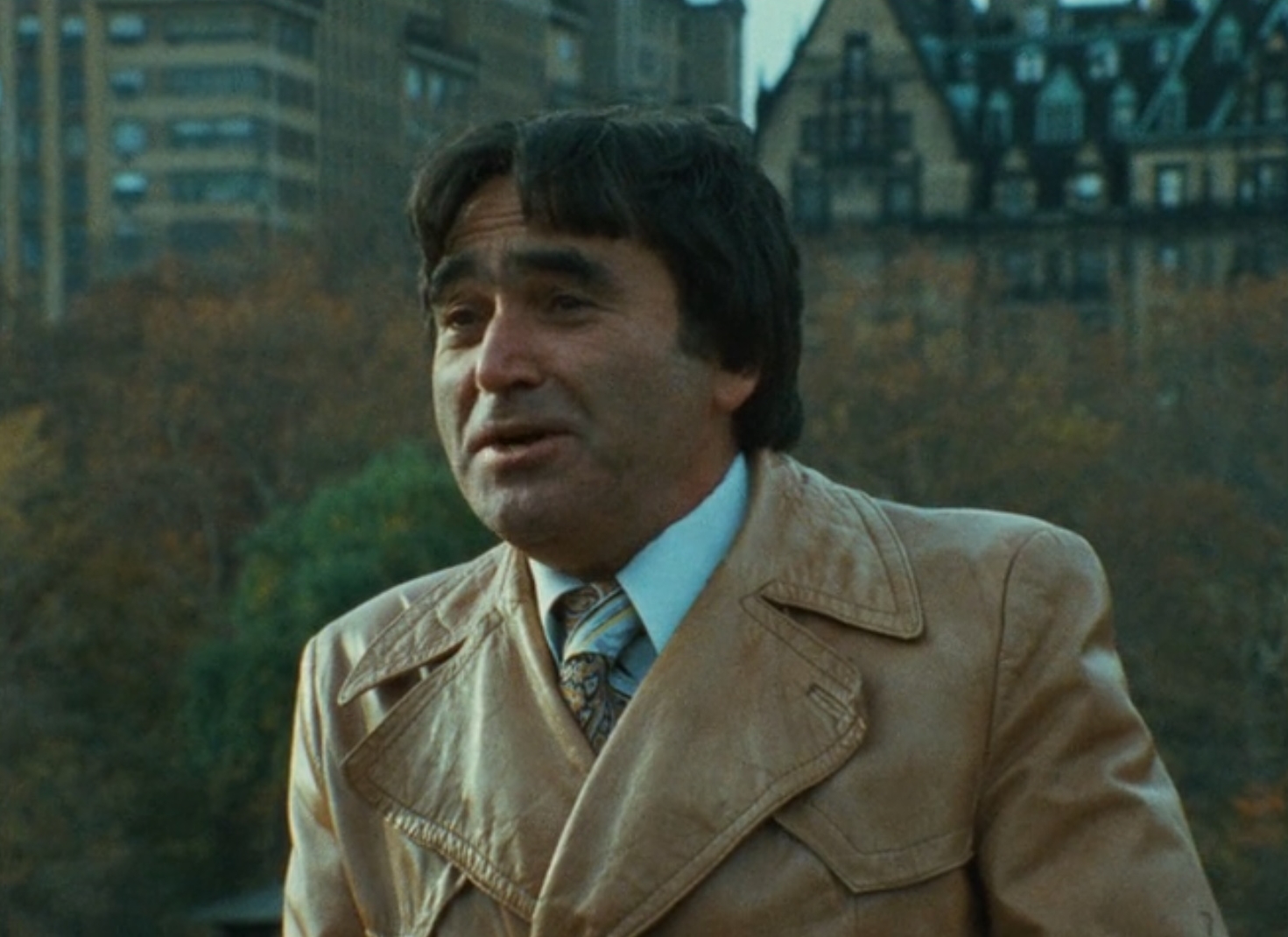
The appearance of both books is the result of many years of work with historical sources, and, thanks to translations, the publications are now available to the Ukrainian reader. The work of the famous British historian and documentarian Lawrence Rees “Auschwitz: The Nazis’ “Final Solution”” (Kyiv: Laboratory, 2022) is a kind of summary of a large-scale project for the BBC television channel. Over the course of 15 years, L. Rees recorded more than a hundred interviews with eyewitnesses to the events: not only with those who survived, but also with former SS men, which allowed him to investigate the psychology of the perpetrators of terror.
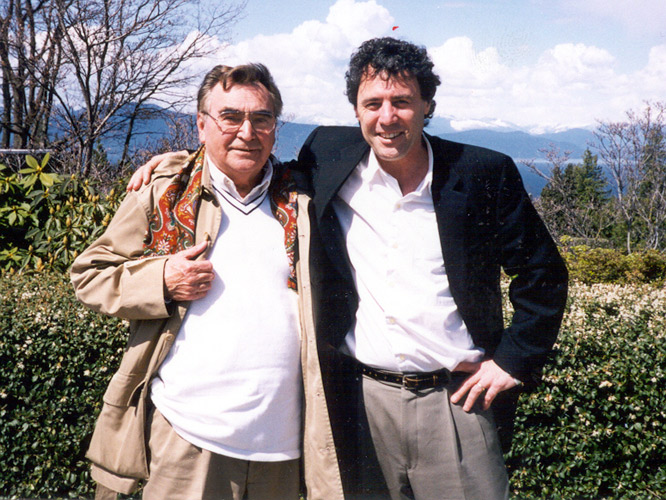
Instead, the book of the journalist of the newspaper “The Guardian” Jonathan Friedland “Master of Escape. The man who escaped from Auschwitz to warn the world” (Kyiv: Knygolav, 2024) is a biographical story that was included in the short list of “Waterstones Book of the Year” – one of the most prestigious literary awards in Great Britain. J. Friedland accidentally learned that the first successful escape of a Jew from Auschwitz remains in the shadow of popular culture and reconstructed the life of this man step by step based on archival materials, reports of special services and memories of relatives.
In the book “Auschwitz” L. Ries offers a detailed, deep and chilling analysis of how an ordinary concentration camp for Polish political prisoners evolved into a gigantic “death factory” where millions of people were exterminated. The author refutes the myth that Auschwitz was conceived from the very beginning as the center of the “final solution of the Jewish question”. Instead, the reader sees Auschwitz as a clearly organized, pragmatic and rational “business project”, where every decision – from optimizing the supply of Zyklon-B gas to sorting the personal belongings of the murdered – was made from the standpoint of managerial efficiency and economic benefit for the Third Reich.
The author proves that behind every action of the Auschwitz commandants or the SS commandant's office was not just blind cruelty, but absolute ideological conviction, systematic management and a willingness to flawlessly carry out orders. The book analyzes in detail the administration of the camp, corruption among the guards and the conditions of detention of prisoners.
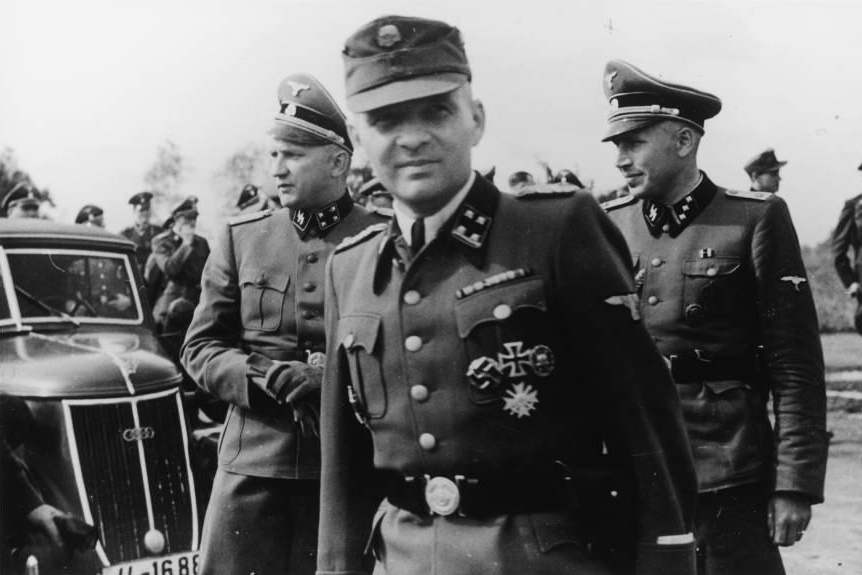
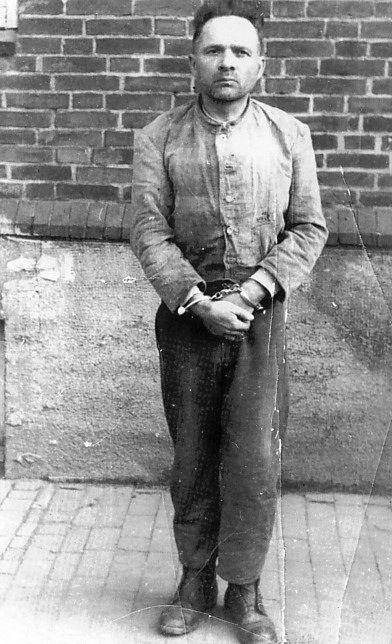
L. Ries presents a detailed psychological portrait of the man who was the creator of the camp, its inspirer and manager – Rudolf Goess. Himmler personally appointed him to the post of camp commandant. Goess did not stand out in appearance or behavior, from childhood he was a religious person, he was engaged in agriculture. Goess's daughter, who lived in Auschwitz for 4 years, and then hid her origin for almost 70 years, recalled that she and her mother, brothers and sisters (there were five children) lived in a two-story villa near the camp, from the windows of which the red brick of the barracks where the prisoners lived was visible. The main value of this publication is the combination of the dry language of documents with vivid, shocking testimonies.
However, behind every report of Nazi officials, behind every figure and statistical summary of “disposal”, there were millions of human lives. And if L. Ries's book offers us a view from above - a panorama of the camp system and the logic of its overseers, then J. Friedland takes the reader directly to the epicenter of this hell, giving the floor to those who dared to challenge the entire Nazi machine.
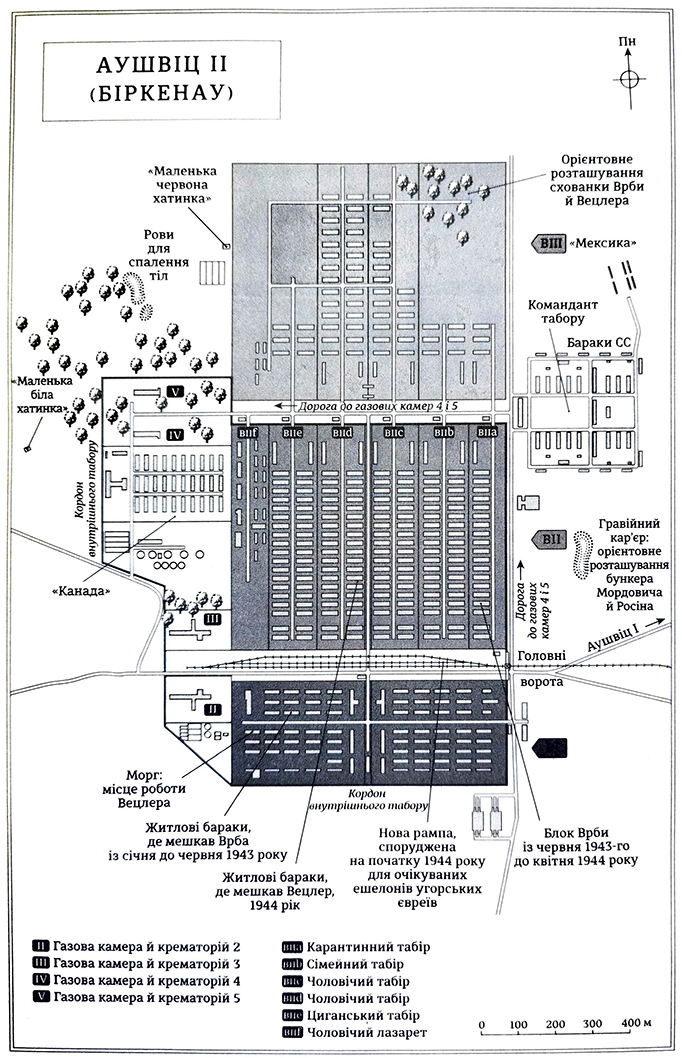
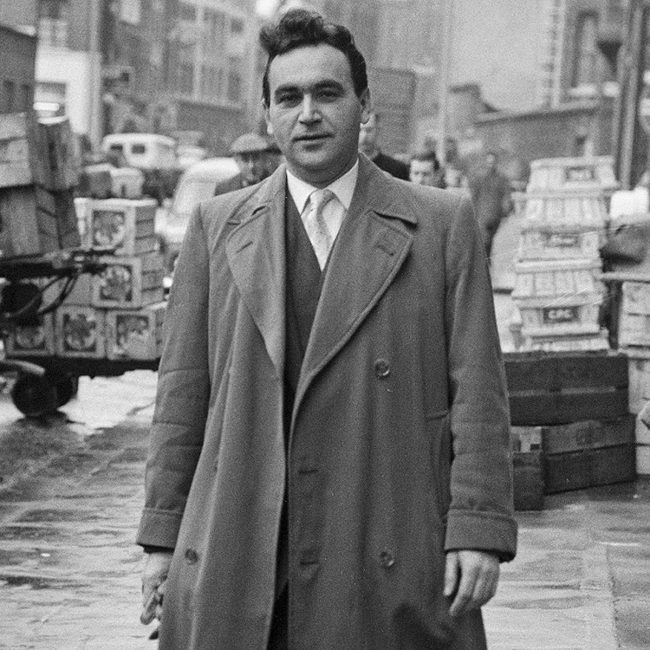
The central figure of the book “The Master of Escape” is a 19-year-old Slovak Jew, Walter Rosenberg (known as Rudolf Vrba), a native of Topolčany, who in April 1944, together with a pre-war Jewish acquaintance, Alfred Wetzler, accomplished the impossible – a successful escape from Auschwitz-Birkenau (previous attempts by other prisoners had been unsuccessful). While sorting the belongings of newly arrived prisoners in a place called “Canada,” the boy realized the scale of the catastrophe: people were arriving at the railway tracks, not even realizing that in a few hours they would be killed in gas chambers. The young man realized that the only way to stop the conveyor belt of death was to tell the world the truth. Possessing a phenomenal memory, he memorized every date, every train, every geographical point from where the doomed people were brought and their number.
However, the tragedy lies not in the cost at which the young men managed to escape from Auschwitz, but in the fact that after several days of documenting their testimonies, a detailed “Wrba-Wetzler Report” was compiled, which was handed over to the leaders of Western countries (in particular, the governments of Great Britain and the USA) and which they refused to believe. As it is today, the world was not ready for the truth then. In addition, the book reveals another important aspect – the personal tragedy of Rudolf Wrba. The experience of camp survival formed a difficult character and caused a deep psychological trauma that the man carried throughout his life. This affected not only his fate, but also the fate of his relatives.
When Lawrence Rees was asked what should be done to avoid this in the future, he replied – “Name it!” However, now we are convinced: at a time when Ukraine is fighting for its own right to exist, such publications provide not only knowledge about the past, but also important lessons of resilience, courage, support, documenting crimes and fighting for the voice of truth to finally be heard by the world.
So, we invite you to the library of the Museum “Jewish Memory and Holocaust in Ukraine” to familiarize yourself with the latest news and learn history together!