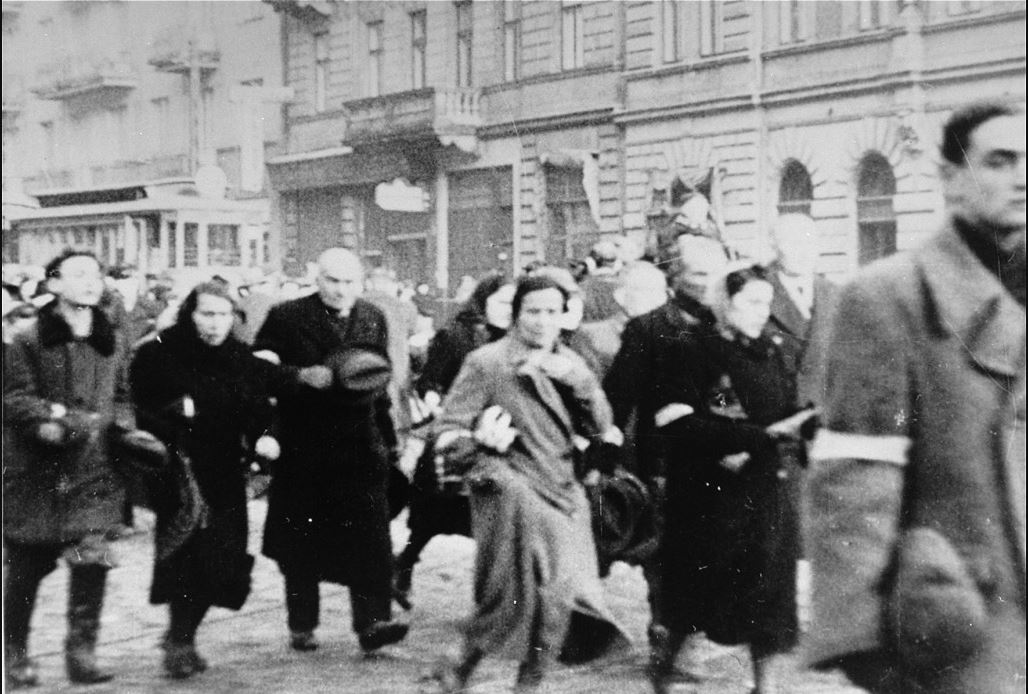
The “Jewish Quarter” was established in Warsaw by the German occupation authorities on October 2, 1940. A third of Warsaw’s population was settled in an area that made up less than 3% of the city’s area. The Jewish ghetto was cut off from the outside world by a 3.5-meter-high concrete wall and barbed wire. Ghetto residents who dared to leave without permission were threatened with execution. Overcrowding and hunger provoked the rapid spread of infectious diseases – tuberculosis, typhus and typhus.
Those who were lucky enough to survive were faced with the next stage of the “final solution to the Jewish question” – relocation to the Treblinka death camp (80 km from Warsaw) and extermination in gas chambers. The deportation was carried out from the railway station located right there, on the territory of the ghetto – Umschlagplatz. At first, the Nazis tried to put the process of “relocation to the East” on voluntary tracks – by promising to give 3 kg of bread and 1 kg of jam to everyone who showed up at the station. When the flow of volunteers slowed down due to rumors of imminent death in the camp – it was time to use violence. This is how most of the ghetto settlers were deported. Jews were driven en masse to Umschlagplatz, and there they decided who to send to death and who was still fit for work. So, the sick and homeless were the first to be dealt with, followed by the unemployed, the elderly and children. The doomed were pushed into freight cars, locked, and they set off on their final journey – standing in cramped conditions, without a sip of water or fresh air.
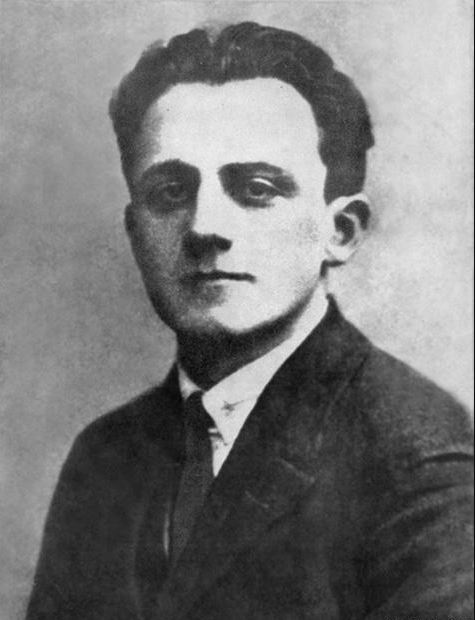
Most of the Jews who were still left alive were young working people. Many of them felt a deep sense of guilt for not resisting and allowing their older relatives and children to be taken away. It was also becoming obvious that sooner or later everyone would suffer the same fate. Along with the realization of their own inevitable death, the idea of an uprising began to spread among the active youth. In November 1942, several underground groups united in the ZOB (Zydowska Organizacja Bojowa – Jewish Combat Organization) under the leadership of Mordechai Anelevich; they were supported by the ŻZW (Żydowski Związek Wojskowy – Jewish Military Union) led by Pawel Frenkel. Activists agitated the ghetto residents to resist deportation and made the necessary preparations for armed action: they secretly accumulated substances for the manufacture of incendiary mixtures, formed armed arsenal (a small number of pistols and explosives fell into the hands of the Home Army insurgents), and thought through various options for defending the ghetto.
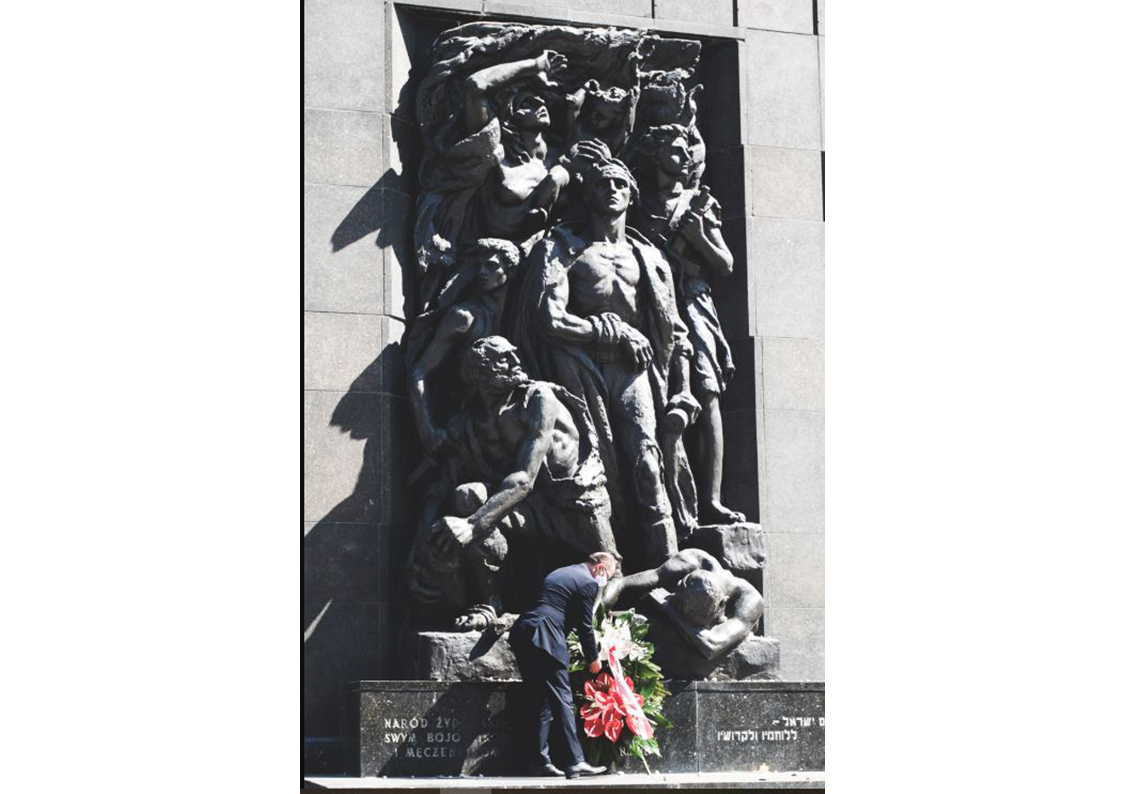
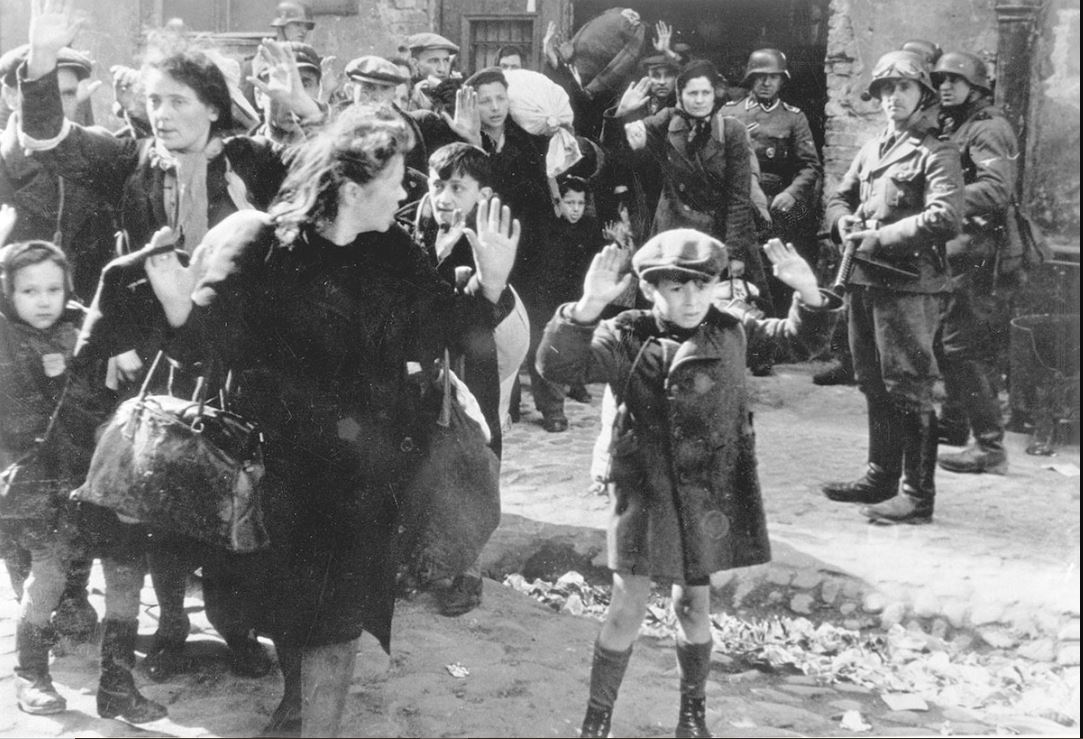
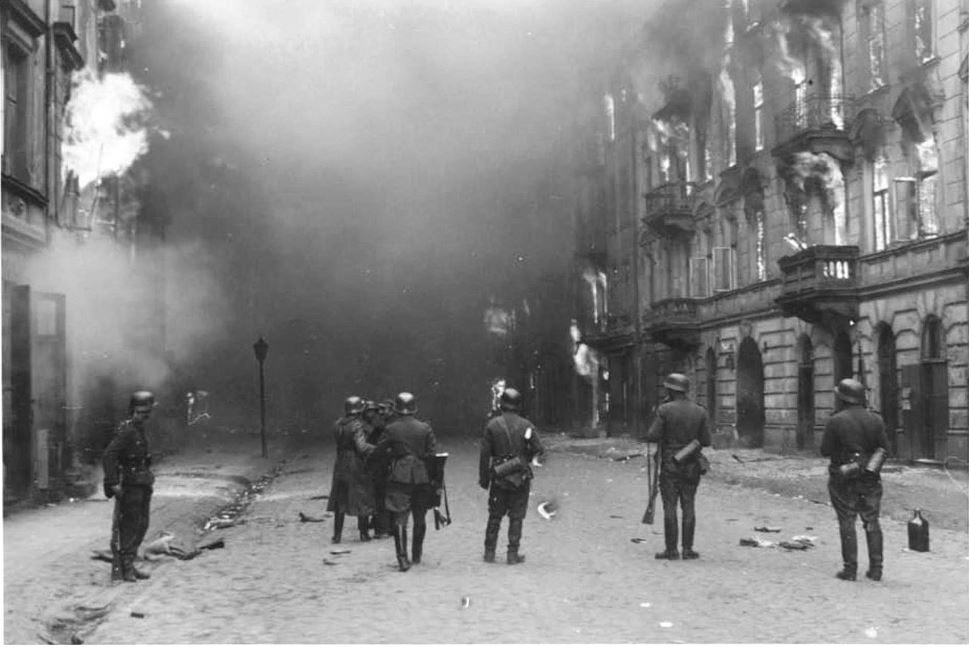
A mass action was scheduled for April 19, 1943, to send the Jews to Treblinka and to liquidate the Jewish settlement. When SS and Wehrmacht units and military police units entered the ghetto, the streets were empty. Ordinary residents were hiding in shelters. Suddenly, Molotov cocktails flew from the Germans. About 750 young fighters entered an unequal battle with an enemy superior in weapons and training. On the first day of the ghetto assault, SS Gruppenführer Jürgen Stropp reported 12 killed and wounded Germans. Over time, the activists' uprising was supported by a significant part of the ghetto residents. The Nazis set fire to every building - the ghetto was turning into a dangerous fire trap. The insurgents held out for almost a month, until the Germans, forced to send additional forces into the ghetto, crushed all pockets of resistance. The Nazis executed about 7,000 Jews, sending the rest to death camps. The Warsaw ghetto was razed to the ground.
***
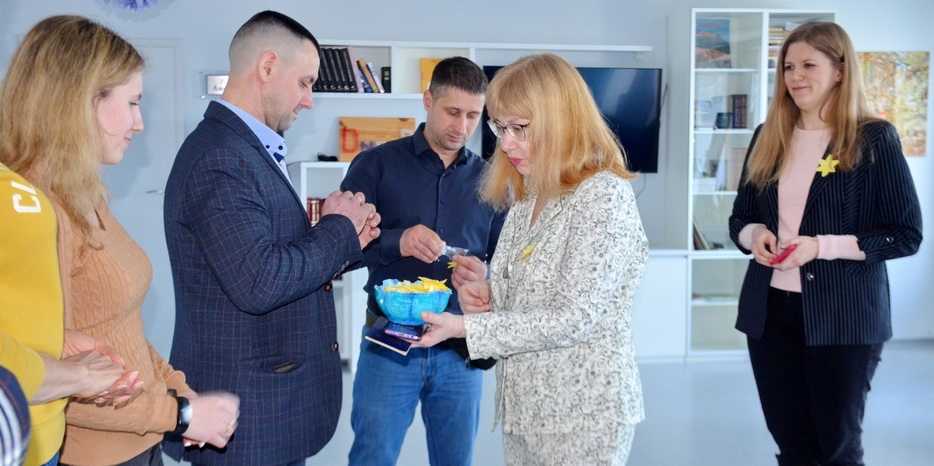
The symbol of the largest Jewish uprising in Nazi-occupied Europe is yellow daffodils. Every year on April 19, the POLIN Museum of the History of Polish Jews distributes thousands of yellow paper flowers to the residents of Warsaw. Daffodils are reminiscent of the yellow star that the Nazis forced Jews to wear and symbolize hope and respect for life. The tradition was created by Marek Edelman, one of the leaders of the uprising who was lucky enough to survive. He brought yellow daffodils to the monument every year… Now more people are joining the action “We are united by memory”.